
Urban Ark – Manawa Taiao
  • About us
    • Operations Team
    • Trust Board
    • Partners
    • Vision
    • Plan
    • Origin
  • Visit us
  • Support us
  • Get involved
    • Pest animal control
    • Join a group
    • Pest plant control
    • Plant natives
    • Back gardens
    • Education
    • Other ways you can help
  • Biodiversity
    • Ngā manu / birds
    • Ngā pekepeka / bats
    • Ngā mokomoko / skinks and geckos
    • Ngā Pūrerehua / butterflies and moths
    • Ngā tuaiwi-kore / invertebrates
    • Taiao / Landscapes
  • Resources
    • The Workshop
    • Tool library
    • Pest animal monitoring
    • Manage pets
    • Being a good citizen
    • Flood Resilience
  • News
  • Events
  1. Home
  2. Get involved
  3. Pest animal control
  4. Control wasps

Control wasps

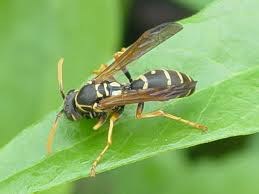
Asian paper waspAsian paper waspNew Zealand has several species of native wasp which have never become a nuisance. But what you’re most likely to see around suburban Auckland are invasive species which have been accidentally introduced since the 1940s – German wasps, common wasps and three species of paper wasp.

As well as being a risk to human health, all are seriously detrimental to our native wildlife. They attack insects and newly-hatched birds, devastate our native butterflies (by devouring their eggs and caterpillars) and eat honeydew which would normally feed our honeyeater birds. They have no natural predators.

Remember, common and German wasps nest in the ground and the walls of houses; paper wasps are found on small nests they build under eaves and within trees and shrubs. There’s lots of great information on DOC’s Wasps webpage.
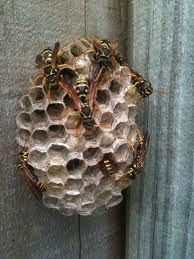
Asian paper wasp nestAsian paper wasp nestTreating nests

Wasps are easily provoked and their sting can cause severe allergic reactions: if you’re doing wasp control, do it quickly, covered up fully along with a beekeepers veil if you have one.

If you see a wasp nest in a reserve, immediately contact the Auckland Council Contact Centre on (09) 301 0101. The council won’t remove nests on private property, so if you want to control them at your place, consider calling a specialist. If you wish to control them yourself, use fly spray in the evening to kill paper wasps, because that’s when they’re all “at home”. Wasp poison powder such as Dust2Dust can be puffed into ground nests late in the evening when wasps are less active. The nest then needs to be crushed, otherwise the pupae – which are protected from the spray – will emerge and restore the colony.

Baiting

If you are particularly concerned that the wasp populations are very high, talk to Urban Ark – Manawa Taiao about testing for treating the wider area with Vespex, a bait station based control. Email [Enable JavaScript to view protected content]

Pest Free Kaipātiki have lots more useful information here.

In this section

  • Get involved
    • Pest animal control
      • Trapping activity maps
      • Trap rats
      • Trap possums
      • Trap stoats
      • Trap hedgehogs
      • Trap mice
      • Control wasps
      • Humane trapping
      • Pulsing
      • ID your rodent
    • Join a group
      • Wai-a-te-Ao – F&B Bullock Track Restoration Project
      • Friends of Maungawhau
      • Ngā Ringa o Te Auaunga Friends of Oakley Creek
      • Jaggers Bush Restoration Group
      • Kingsland Eco-neighbourhood
      • Weona Lemington Coastal Forest Restoration Group
      • Lower Waitītko groups
      • Maungawhau Ecological Halo
      • Friends of Te Tātua a Riukiuta (Big King)
      • Oakley Loop Group
      • Pest Free Gladstone
      • Pest Free Balmoral
      • Pest Free Mt Eden
      • Pest Free Ōwairaka
      • Pest Free Pt Chevalier
      • Pest Free Sandringham
      • Pest Free Waterview
      • Predator Free Grey Lynn
      • Predator Free Herne Bay-Ponsonby
      • Predator Free Morningside / Western Springs
      • Manu Tīoriori I Te Uru / Western Songbird Project
      • Predator Free Westmere / Te Rehu Konihi Kore
      • STEPS
      • Wellpark Streamers
      • Conservation Volunteeers NZ
      • Chamberlain Conservation Group
      • Bluegreens Meola Creek Restoration Project
      • Te Waiōrea
      • Tītīkōpuke Habitat Initiative
      • Friends of Wairaki Stream
      • Friends of Waikowhai Park
      • Friends of Belfast Reserve
      • Friends of Grey Lynn Park
    • Pest plant control
    • Plant natives
    • Back gardens
    • Education
      • Te Wai Ōrea Education Programme
      • Schools Engagement Programme
    • Other ways you can help
  • Facebook
  • Instagram
Subscribe to our newsletter

© Urban Ark – Manawa Taiao 2026

Photo credits: Bartek Wyptch (grey warbler), Graeme Hill (wasp nest)

Urban Ark – Manawa Taiao logo: Glenn Jones

Website by RS

  • Get involved
    • Pest animal control
      • Trapping activity maps
      • Trap rats
      • Trap possums
      • Trap stoats
      • Trap hedgehogs
      • Trap mice
      • Control wasps
      • Humane trapping
      • Pulsing
      • ID your rodent
    • Join a group
      • Wai-a-te-Ao – F&B Bullock Track Restoration Project
      • Friends of Maungawhau
      • Ngā Ringa o Te Auaunga Friends of Oakley Creek
      • Jaggers Bush Restoration Group
      • Kingsland Eco-neighbourhood
      • Weona Lemington Coastal Forest Restoration Group
      • Lower Waitītko groups
      • Maungawhau Ecological Halo
      • Friends of Te Tātua a Riukiuta (Big King)
      • Oakley Loop Group
      • Pest Free Gladstone
      • Pest Free Balmoral
      • Pest Free Mt Eden
      • Pest Free Ōwairaka
      • Pest Free Pt Chevalier
      • Pest Free Sandringham
      • Pest Free Waterview
      • Predator Free Grey Lynn
      • Predator Free Herne Bay-Ponsonby
      • Predator Free Morningside / Western Springs
      • Manu Tīoriori I Te Uru / Western Songbird Project
      • Predator Free Westmere / Te Rehu Konihi Kore
      • STEPS
      • Wellpark Streamers
      • Conservation Volunteeers NZ
      • Chamberlain Conservation Group
      • Bluegreens Meola Creek Restoration Project
      • Te Waiōrea
      • Tītīkōpuke Habitat Initiative
      • Friends of Wairaki Stream
      • Friends of Waikowhai Park
      • Friends of Belfast Reserve
      • Friends of Grey Lynn Park
    • Pest plant control
    • Plant natives
    • Back gardens
    • Education
      • Te Wai Ōrea Education Programme
      • Schools Engagement Programme
    • Other ways you can help
  • Biodiversity
    • Ngā manu / birds
      • Kākā
      • Kākāriki
      • Kererū
      • Korimako / Bellbird
      • Riroriro / Grey Warbler
      • Ruru / Morepork
      • Tūī
      • Rogues gallery
    • Ngā pekepeka / bats
    • Ngā mokomoko / skinks and geckos
    • Ngā Pūrerehua / butterflies and moths
    • Ngā tuaiwi-kore / invertebrates
    • Taiao / Landscapes
      • Maunga / volcanoes
      • Awa / streams
        • Te Auaunga / Oakley Creek
      • Ngahere / forests
        • Lava Rock Forests
  • Resources
    • The Workshop
      • Making trap tunnels
      • Rat-proof your compost
      • Build a wētā hotel
      • Nest boxes for ruru
    • Tool library
    • Pest animal monitoring
      • Chew cards
      • Wax tags
      • Tracking tunnels
    • Manage pets
    • Being a good citizen
    • Flood Resilience
  • News
  • Events
  • About us
    • Operations Team
    • Trust Board
    • Partners
    • Vision
    • Plan
    • Origin
  • Visit us
  • Support us