Friends of Oakley Creek - Monthly Community Working Bee
Sunday 2 August 2026, 10:00am - 12:00pm
Regular, monthly working bee. Check out our Facebook page for details https://www.facebook.com/OakleyCreek

| S | M | T | W | T | F | S |
|---|---|---|---|---|---|---|
1 | ||||||
3 | 4 | 5 | 6 | 7 | 8 | |
10 | 11 | 12 | 13 | 14 | 15 | |
17 | 18 | 19 | 20 | 21 | 22 | |
23 | 24 | 25 | 26 | 27 | 28 | 29 |
30 | 31 |
Read our September newsletter here Read more
Sunday 2 August 2026, 10:00am - 12:00pm
Regular, monthly working bee. Check out our Facebook page for details https://www.facebook.com/OakleyCreek
Sunday 9 August 2026, 10:00am - 12:00pm
 Join us and Earth Action Trust in giving Waterview Glades a glow up! This reserve backs right onto Te Auaunga / Oakley Creek, and together we can help stop litter from reaching this precious awa (stream).
Ngā Ringa o Te Auaunga / Friends of Oakley Creek have spent years restoring the mauri (life force) of Te Auaunga — removing invasive weeds, reducing predators, and planting native trees along the waterway. Now we’re teaming up to tackle the rubbish that still finds its way into the awa and affects water quality.
After the clean up, Earth Action Trust will guide us through sorting the waste so we can recycle as much as possible. We’ll also get a clearer picture of what types of litter show up most often — and how we can stop these items entering the environment in the first place.
Come along, make a difference, and help protect our awa. Your hands can help restore this special place. Sign up here!
Sunday 16 August 2026, 10:00am - 12:00pm
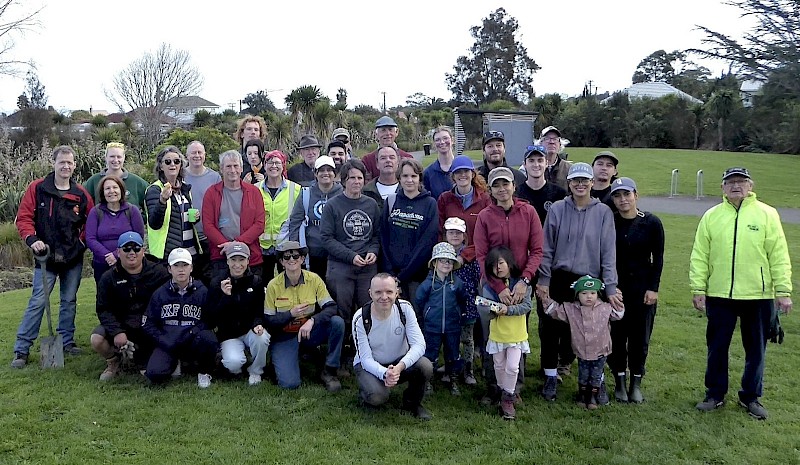 Join us for a community planting day as we team up with Ngā Ringa o Te Auaunga / Friends of Oakley Creek to support their restoration efforts along Auckland’s longest stream!
Please register here so we know how much gear to bring and so we can give you more information on where to meet.
We’ll be planting in Alan Wood Reserve, right beside the awa (stream). This area is prone to flooding, so the plants we put in the ground will help strengthen the stream banks, reduce erosion, and stop excess sediment from washing into the waterway.
These native plants also act like natural filters. They soak up nutrients such as nitrogen and phosphorus that wash off our streets during rain. Without plants to capture them, these nutrients can enter the awa and harm the native creatures that live there, as well as reduce overall water quality.
Flooding is a natural process and it isn’t going anywhere. It is also becoming more frequent with changes in climate. However, we can make space for water and work towards restoring the balance between people and water.
Recreating natural habitats that allow water to breathe or flow as it should do are an important step in this and in building our overall flood resilience.