
Urban Ark – Manawa Taiao
  • About us
    • Operations Team
    • Trust Board
    • Partners
    • Vision
    • Plan
    • Origin
  • Visit us
  • Support us
  • Get involved
    • Join a group
    • Remove predators
    • Pest plant control
    • Plant natives
    • Back gardens
    • Education
    • Other ways you can help
  • Biodiversity
    • Ngā manu / birds
    • Ngā pekepeka / bats
    • Ngā mokomoko / skinks and geckos
    • Ngā Pūrerehua / butterflies and moths
    • Ngā tuaiwi-kore / invertebrates
    • Taiao / Landscapes
  • Resources
    • Trapping activity maps
    • How to trap
    • The Workshop
    • Tool library
    • Pest animal monitoring
    • Manage pets
    • Being a good citizen
    • Flood Resilience
  • News
  • Events
  1. Home
  2. Get involved
  3. Remove predators
  4. Stoats

Stoats

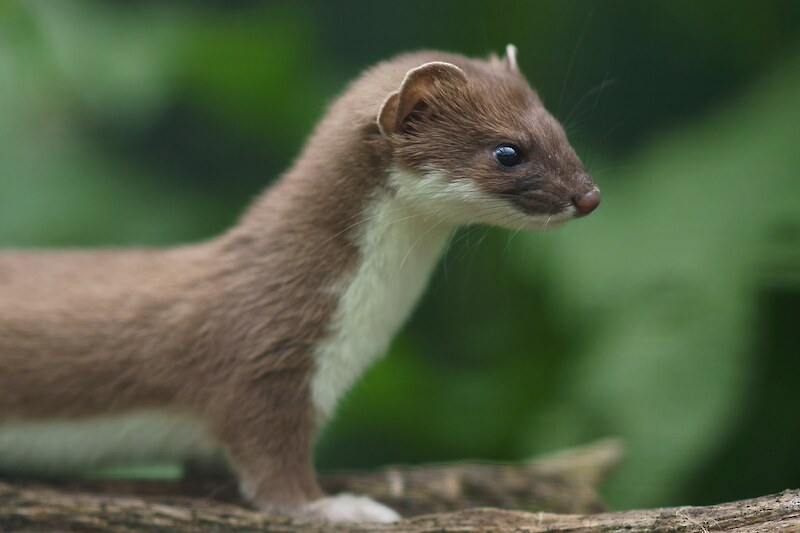
Stoats are probably New Zealand’s single most devastating predator. They’re also the wiliest and the hardest to get rid of.

Stoats (Mustela ermina), along with the larger ferrets and smaller weasels, were introduced to Aotearoa in the 1870s to control rabbits. It turned out New Zealand’s flightless and cavity-nesting birds were an easier catch.

In suburban Auckland, we don’t generally try to trap stoats in back gardens but leave that to groups working in parks and reserves using DOC200 traps in protective boxes.

If you want to get involved in trapping stoats, contact your local group who may be able to source traps or link you up with an existing trapline.

Luring a stoat into your trap is tricky too. Check out our lures page for suggestions and heed the following tips.

Tips for trapping stoats

  • Use gloves. It is safer for you, and human smells put stoats off visiting your traps.
  • Generally use DOC200 traps, Goodnature A24 gas resetting or AT220 mechanical resetting traps.
  • Don’t leave discarded rotten lure near the entrance of traps.
  • Try not to contaminate your box with strong chemicals or pet urine – these odours can badly affect catch rates.
  • Make sure there are no sharp edges or wire protruding near the entrance to the trap.
  • Make sure the visiting animal will line up with the trap plate for a cleaner catch.
  • Make sure your traps ‘Spring-off’ weight (the weight that triggers the trap) is sufficient. Care needs to be taken so talk to your group leader about attending training.
  • If you catch a stoat, let your group leader know asap and if possible KEEP the stoat. If it can be promptly frozen, they are useful to wipe against the DOC trap as the smell later attracts more mustelids.
  • Keep traps out of direct sunlight to help fresh lures last longer.
  • Tilt your tunnel slightly so liquid from any bait runs out of the tunnel not around the trap to avoid corrosion.

In this section

  • Get involved
    • Join a group
      • Wai-a-te-Ao – F&B Bullock Track Restoration Project
      • Friends of Maungawhau
      • Ngā Ringa o Te Auaunga Friends of Oakley Creek
      • Jaggers Bush Restoration Group
      • Kingsland Eco-neighbourhood
      • Weona Lemington Coastal Forest Restoration Group
      • Lower Waitītko groups
      • Maungawhau Ecological Halo
      • Friends of Te Tātua a Riukiuta (Big King)
      • Oakley Loop Group
      • Pest Free Gladstone
      • Pest Free Balmoral
      • Pest Free Mt Eden
      • Pest Free Ōwairaka
      • Pest Free Pt Chevalier
      • Pest Free Sandringham
      • Pest Free Waterview
      • Predator Free Grey Lynn
      • Predator Free Herne Bay-Ponsonby
      • Predator Free Morningside / Western Springs
      • Manu Tīoriori I Te Uru / Western Songbird Project
      • Predator Free Westmere / Te Rehu Konihi Kore
      • STEPS
      • Wellpark Streamers
      • Conservation Volunteeers NZ
      • Chamberlain Conservation Group
      • Bluegreens Meola Creek Restoration Project
      • Te Waiōrea
      • Tītīkōpuke Habitat Initiative
      • Friends of Wairaki Stream
      • Friends of Waikowhai Park
      • Friends of Belfast Reserve
      • Friends of Grey Lynn Park
    • Remove predators
      • Rats
      • Possums
      • Stoats
      • Hedgehogs
      • Wasps
    • Pest plant control
    • Plant natives
    • Back gardens
    • Education
      • Te Wai Ōrea Education Programme
      • Schools Engagement Programme
    • Other ways you can help
  • Facebook
  • Instagram
Subscribe to our newsletter

© Urban Ark – Manawa Taiao 2026

Photo credits: Bartek Wyptch (grey warbler), Peter Trimming (stoat)

Urban Ark – Manawa Taiao logo: Glenn Jones

Website by RS

  • Get involved
    • Join a group
      • Wai-a-te-Ao – F&B Bullock Track Restoration Project
      • Friends of Maungawhau
      • Ngā Ringa o Te Auaunga Friends of Oakley Creek
      • Jaggers Bush Restoration Group
      • Kingsland Eco-neighbourhood
      • Weona Lemington Coastal Forest Restoration Group
      • Lower Waitītko groups
      • Maungawhau Ecological Halo
      • Friends of Te Tātua a Riukiuta (Big King)
      • Oakley Loop Group
      • Pest Free Gladstone
      • Pest Free Balmoral
      • Pest Free Mt Eden
      • Pest Free Ōwairaka
      • Pest Free Pt Chevalier
      • Pest Free Sandringham
      • Pest Free Waterview
      • Predator Free Grey Lynn
      • Predator Free Herne Bay-Ponsonby
      • Predator Free Morningside / Western Springs
      • Manu Tīoriori I Te Uru / Western Songbird Project
      • Predator Free Westmere / Te Rehu Konihi Kore
      • STEPS
      • Wellpark Streamers
      • Conservation Volunteeers NZ
      • Chamberlain Conservation Group
      • Bluegreens Meola Creek Restoration Project
      • Te Waiōrea
      • Tītīkōpuke Habitat Initiative
      • Friends of Wairaki Stream
      • Friends of Waikowhai Park
      • Friends of Belfast Reserve
      • Friends of Grey Lynn Park
    • Remove predators
      • Rats
      • Possums
      • Stoats
      • Hedgehogs
      • Wasps
    • Pest plant control
    • Plant natives
    • Back gardens
    • Education
      • Te Wai Ōrea Education Programme
      • Schools Engagement Programme
    • Other ways you can help
  • Biodiversity
    • Ngā manu / birds
      • Kākā
      • Kākāriki
      • Kererū
      • Korimako / Bellbird
      • Riroriro / Grey Warbler
      • Ruru / Morepork
      • Tūī
      • Rogues gallery
    • Ngā pekepeka / bats
    • Ngā mokomoko / skinks and geckos
    • Ngā Pūrerehua / butterflies and moths
    • Ngā tuaiwi-kore / invertebrates
    • Taiao / Landscapes
      • Maunga / volcanoes
      • Awa / streams
        • Te Auaunga / Oakley Creek
      • Ngahere / forests
        • Lava Rock Forests
  • Resources
    • Trapping activity maps
    • How to trap
      • Trapping rats
        • Advanced rat trapping tips
        • Avoiding catching birds
      • Trapping possums
      • Trapping stoats
      • ANFA pulsing
      • Recording your trapping activity
    • The Workshop
      • Making trap tunnels
      • Rat-proof your compost
      • Build a wētā hotel
      • Nest boxes for ruru
    • Tool library
    • Pest animal monitoring
      • Chew cards
      • Wax tags
      • Tracking tunnels
    • Manage pets
    • Being a good citizen
    • Flood Resilience
  • News
  • Events
  • About us
    • Operations Team
    • Trust Board
    • Partners
    • Vision
    • Plan
    • Origin
  • Visit us
  • Support us